Wine Guide
Decanter vs Aerator: Which Should You Choose?
Both tools serve the same purpose — exposing wine to oxygen — but they suit very different occasions, budgets, and drinking styles. Here’s how to decide.
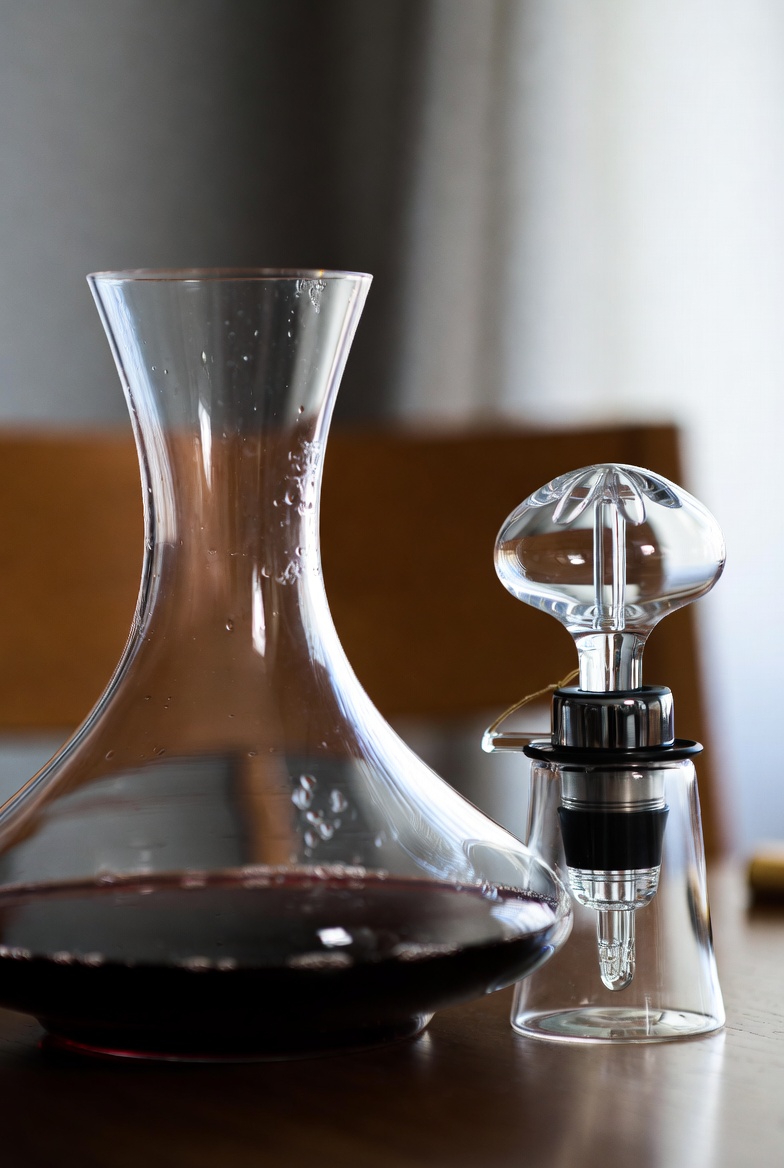
The Core Difference
A decanter aerates wine passively. You pour wine into a wide-bodied vessel and let it sit, typically for 30–90 minutes. Oxygen slowly integrates, softening tannins and releasing aromas at a gentle pace.
An aerator works instantly. Wine passes through a device that forces rapid mixing with air — using the Venturi effect, turbulence, or pressure differential — delivering aerated wine directly into your glass in seconds.
Side-by-Side Comparison
| Factor | Decanter | Aerator |
|---|---|---|
| Speed | 30–90 minutes | Instant (seconds) |
| Best for | Aged wines, formal occasions | Young wines, everyday drinking |
| Control | Time-based (less precise) | Consistent per pour |
| Sediment | Separates sediment naturally | Does not filter sediment |
| Presentation | Elegant centrepiece | Functional, compact |
| Price range | €20–€500+ | €15–€300 |
| Storage | Bulky, requires space | Compact, travel-friendly |
| Cleaning | Can be difficult | Usually quick and easy |
When to Choose a Decanter
- Aged wines (15+ years) — Gentle, passive aeration respects fragile, complex flavours that aggressive aeration could destroy.
- Wines with sediment — Decanters naturally separate sediment from the wine during the pour.
- Dinner parties and formal occasions — A beautiful decanter is part of the experience and ritual of wine service.
- When you have time — Open a bottle an hour before dinner and let it breathe naturally.
When to Choose an Aerator
- Young, tannic reds — Instant aeration tames aggressive tannins and opens up fruit immediately.
- Weeknight drinking — No waiting. Pour, aerate, enjoy.
- By-the-glass service — Aerate exactly what you’re drinking, leaving the rest of the bottle sealed.
- Travel and portability — Most aerators are compact enough to take to a dinner party or holiday.
- Consistency — An aerator delivers the same level of aeration every time, removing guesswork.
Our Recommendation
- ✓ Own both — A decanter for special bottles, an aerator for everyday wines
- ✓ Start with an aerator — It’s more versatile and suits most drinking occasions
- ✓ Invest in a decanter later — When you start collecting aged wines
- ✓ Never over-aerate aged wines — When in doubt, decant gently
Can You Use Both?
Absolutely. Some wine enthusiasts pour wine through an aerator directly into a decanter — combining instant aeration with the elegance of a decanter presentation. This works beautifully for young, bold reds that benefit from aggressive aeration but look best served from a decanter at the table.
The Verdict
If you drink wine regularly and want immediate improvement with minimal fuss, start with an aerator. If you value ritual, presentation, and have patience, a decanter is a worthy investment. The best wine lovers own both.
Ready to Choose?
See our tested recommendations for the best wine aerators available in Europe.
Best Wine Aerators 2026 →